Research and resources on social cohesion theory and best practice.
The Belong Network Library
Research and resources on social cohesion theory and best practice.
Research and resources on social cohesion theory and best practice.
Research and resources on social cohesion theory and best practice.
The Belong Library is free to access and brings together a wide range of online resources produced by the public, private and civil society sectors to build the evidence base around social cohesion.
It is regularly updated and includes:
Please contact us if you are unable to find what you need – we’d be delighted to help.

In May we hosted Living Room 3: Understanding Disconnection and Polarisation, a series of three one-hour online seminars that explored this topic from a range of different perspectives.
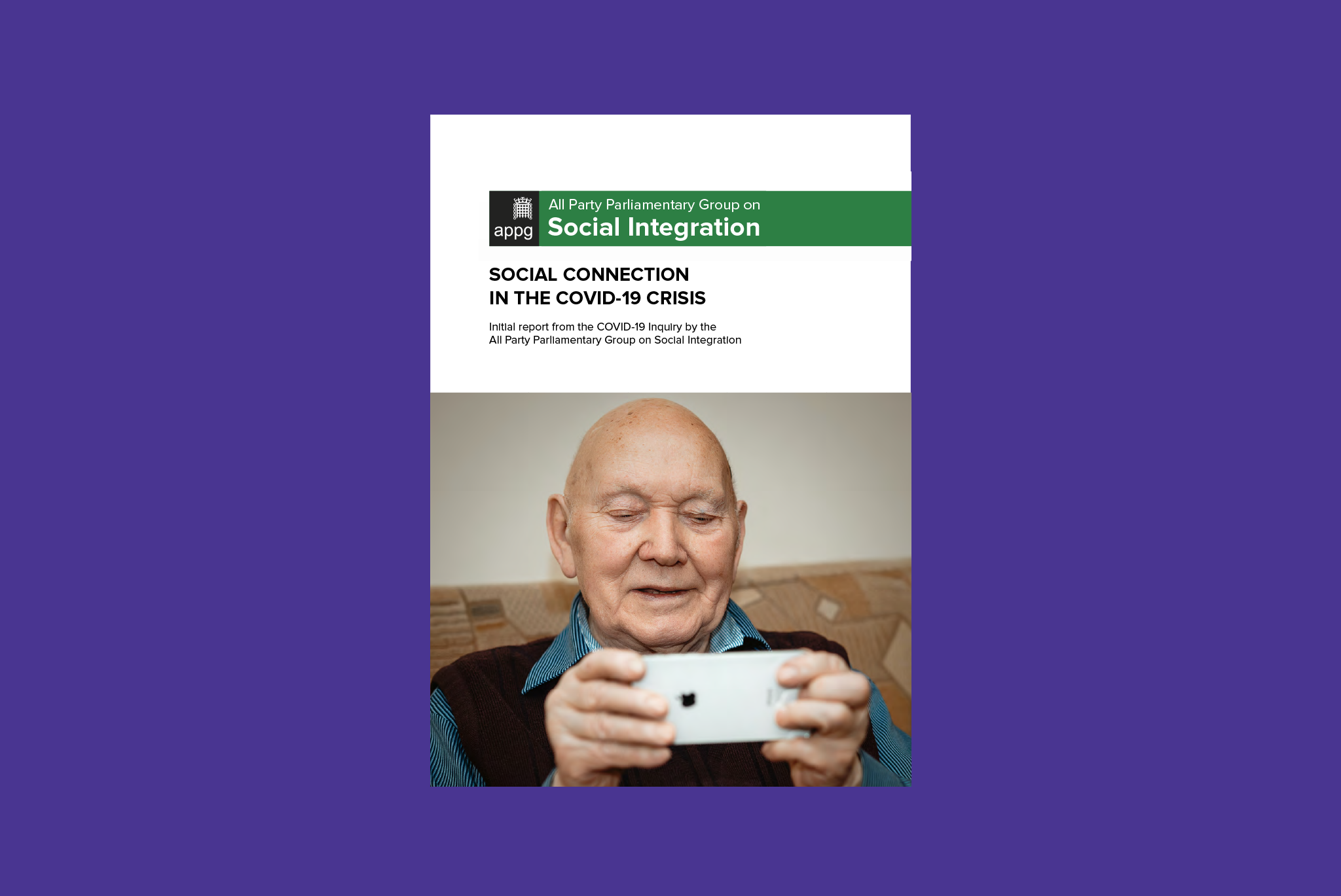
A new report from the All Party Parliamentary Group on Social Integration, from its inquiry into how COVID-19 has impacted efforts to reach isolated groups.
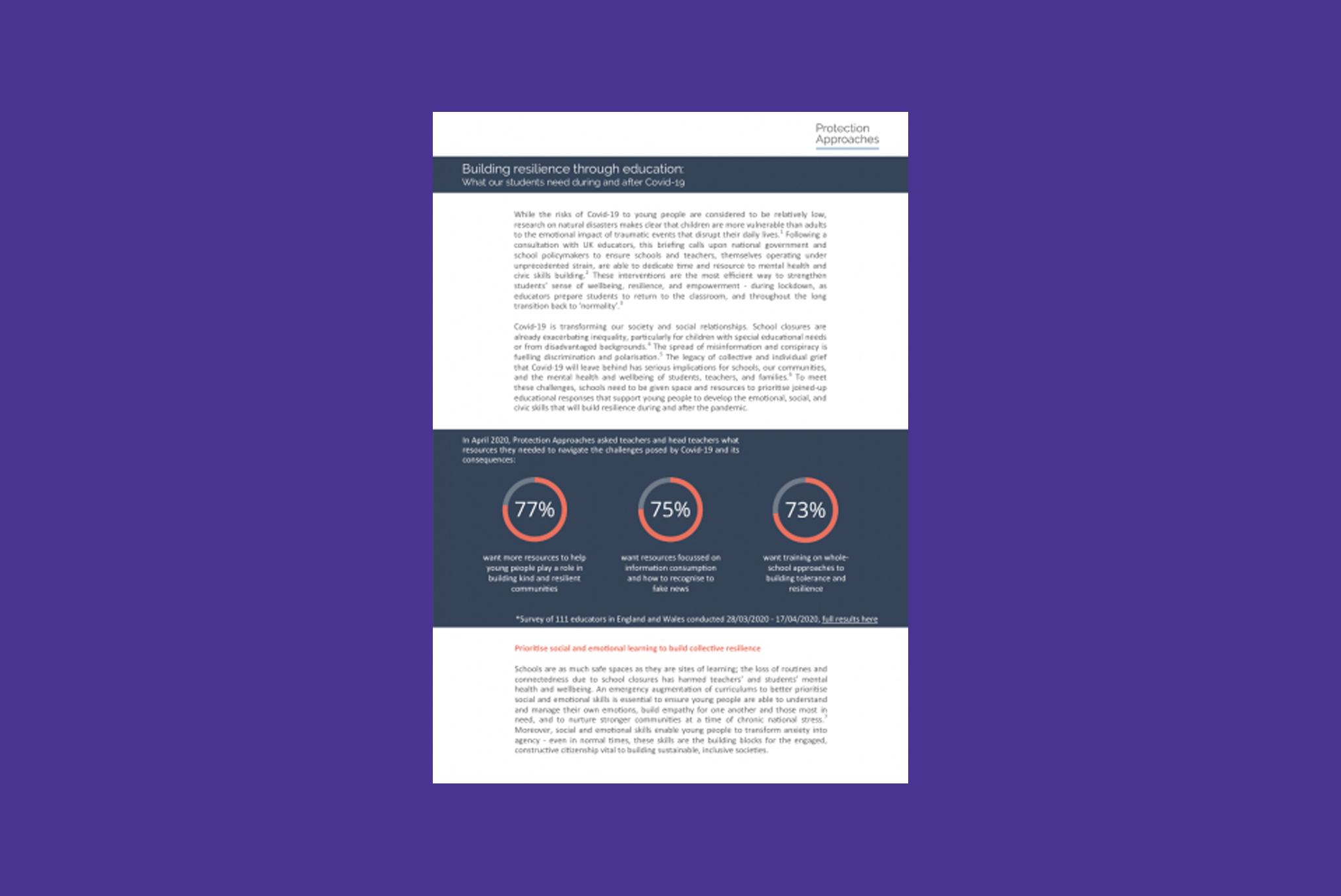
Protection Approaches have developed a policy brief in response to COVID-19 with teacher-driven recommendations calling upon the Government to ensure that teachers and school leadership teams are able to dedicate time and resources to prioritise students’ social and emotional learning and building media literacy skills. Such responses will be vital to ensuring young people develop the tools and confidence that they need to build individual and community resilience during and after the pandemic.
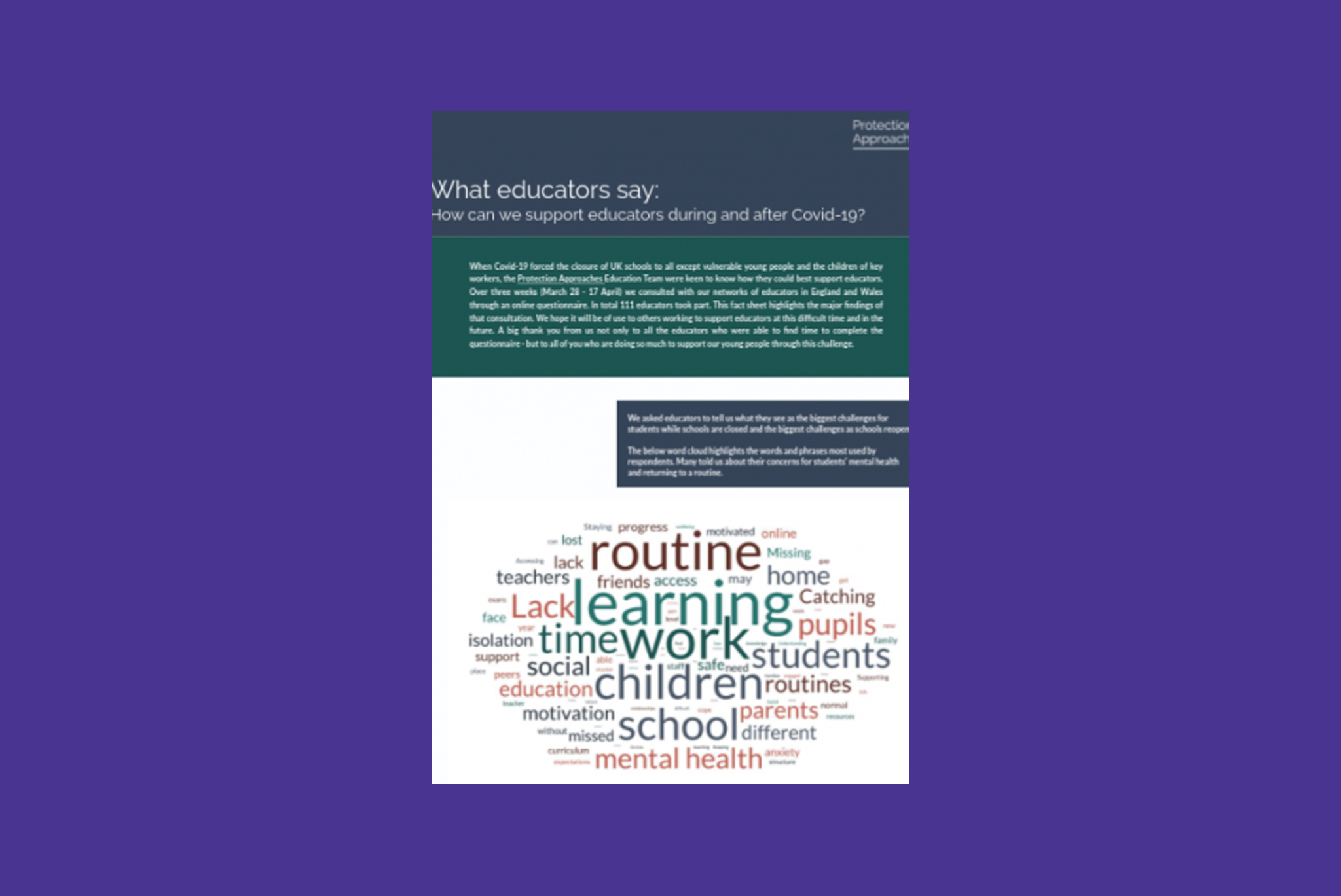
Protection Approaches have developed a fact sheet highlighting the results of a consultation conducted by their education team, asking educators in England and Wales how Protection Approaches can best support them during and after COVID-19.

The latest report from the Bevan Foundation, Shared ground: integrating migrants in Wales, shines a light on the part the Welsh Government plays in ensuring communities are cohesive. The report features recommendations on what the Welsh Government could do to strengthen its current approach to integration, and build on what has already been achieved.

Health psychology shows that responses to risk and threat depend on perceptions as much as objective factors. The present study focuses on the precursors of perceived threat of COVID‐19. This article draws on political and social psychology and use the aversion amplification hypothesis to propose that subjective uncertainty and political trust should interactively impact perceived threat.
People comply with governmental restrictions for different motives, notably because they are concerned about the issue at hand or because they trust their government to enact appropriate regulations. This study focuses on the role of concern and political trust in people’s willingness to comply with governmental restrictions during the Covid-19 pandemic.
With authors from both British Future and King’s College London, this report explores the concept of ‘The reset moment’ which largely relates to the post-Brexit immigration landscape covering key areas such as "Where is the public now on immigration and integration" and "Challenges for this parliament in relation to politics, advocacy and policy".

In March we hosted Living Room 2: Integration Through Education, a series of one-hour online seminars that explored this topic from a range of different perspectives.
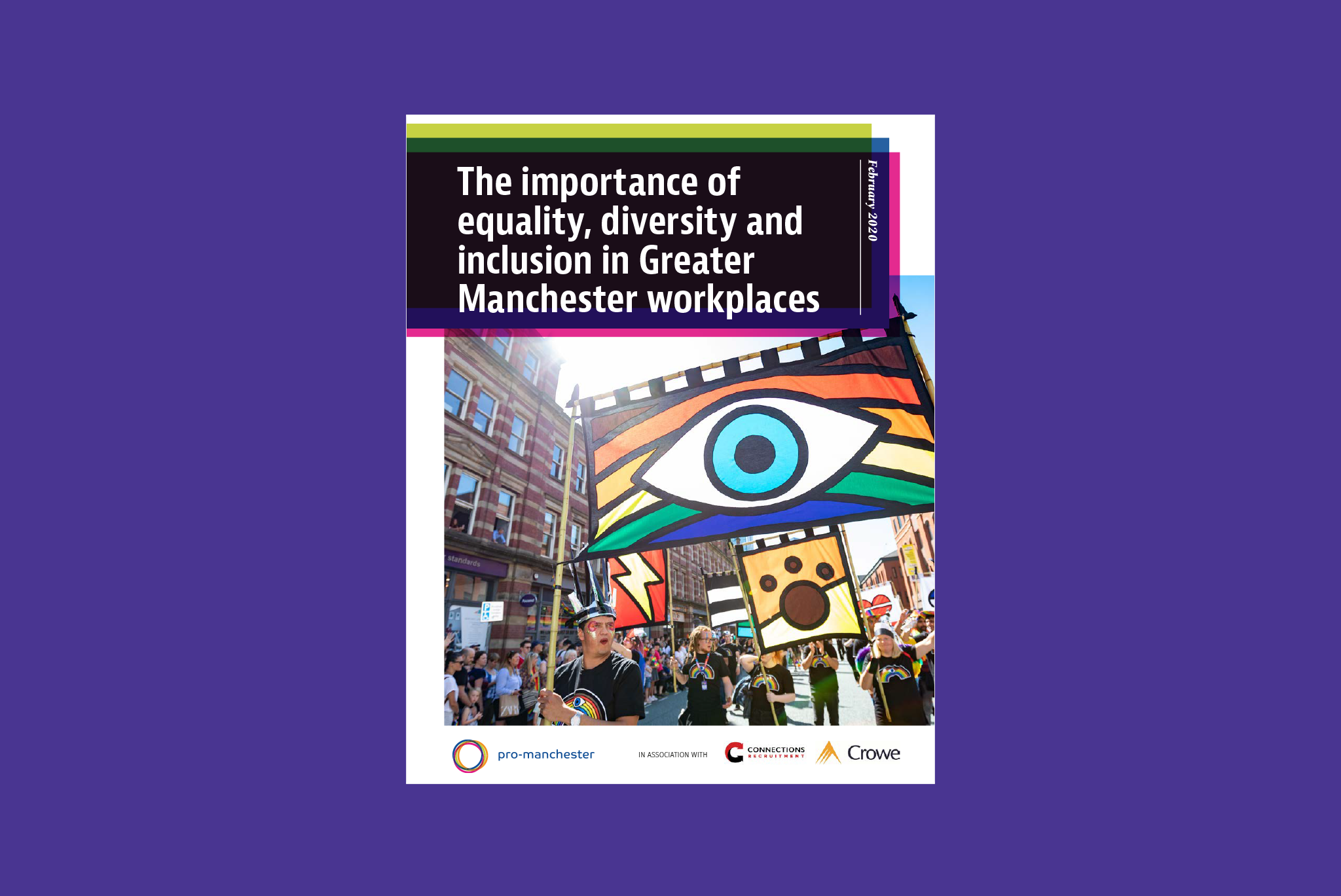
New research from Pro-Manchester shines a spotlight on the state of equality, diversity and inclusion in the city region, and finds businesses in need of help to move forward. This report, which shares some of the main findings, focusses on how to create a fairer workplace – and why this agenda really matters.