Research and resources on social cohesion theory and best practice.
The Belong Network Library
Research and resources on social cohesion theory and best practice.
Research and resources on social cohesion theory and best practice.
Research and resources on social cohesion theory and best practice.
The Belong Library is free to access and brings together a wide range of online resources produced by the public, private and civil society sectors to build the evidence base around social cohesion.
It is regularly updated and includes:
Please contact us if you are unable to find what you need – we’d be delighted to help.
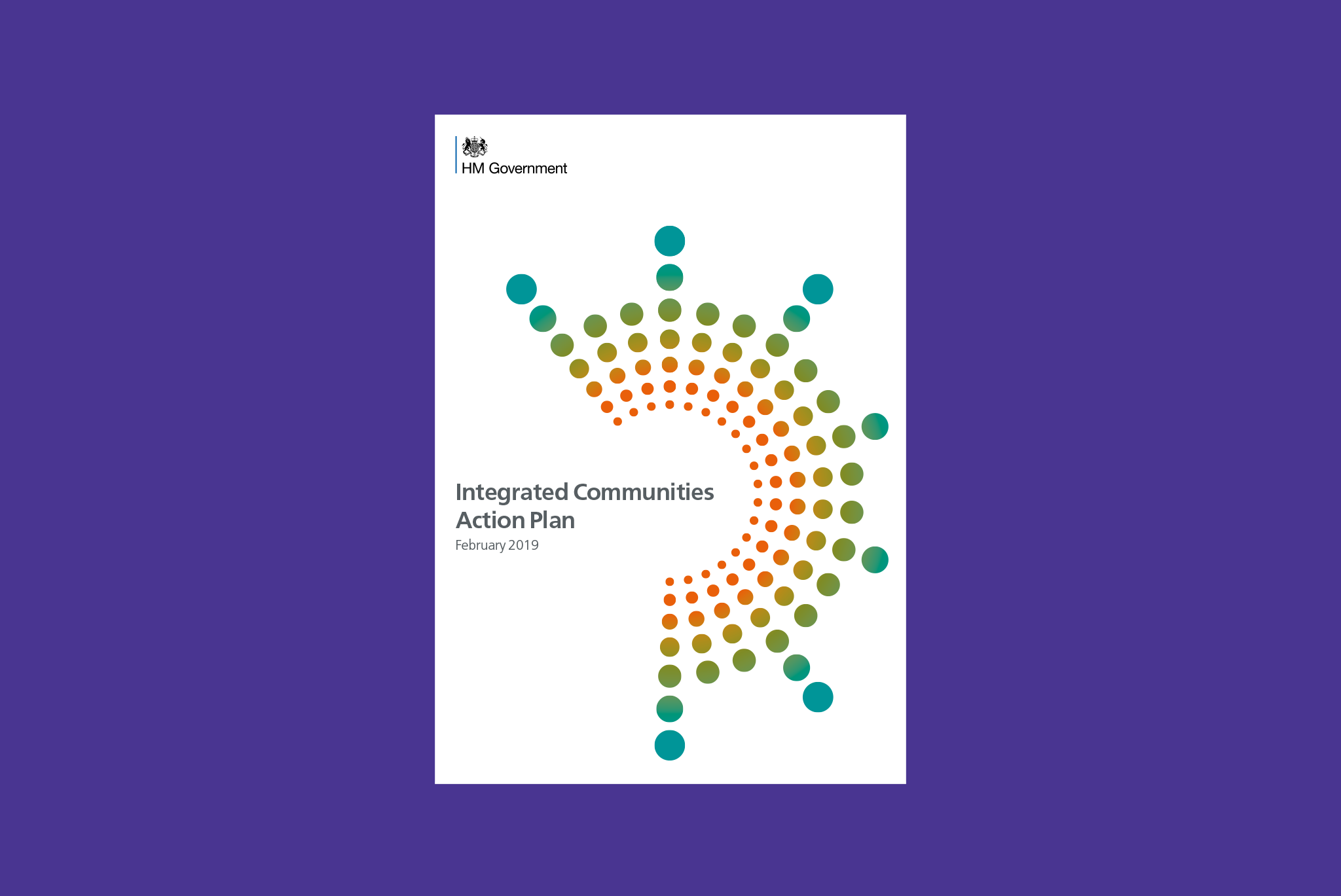
The Integrated Communities Action Plan (published in 2019) sets out 70 actions the government will deliver to promote integration nationally. It includes activities across e.g. English language learning, strengthening leadership, supporting refugees, and working with schools to promote the integration agenda. The Action Plan includes an update of what has been achieved since the launch of the Integrated Communities Strategy Green Paper in 2018, including in the five local integration areas.

This report from Greater London Authority looks at methods of embedding social integration and design principles into public service delivery, projects and policies.
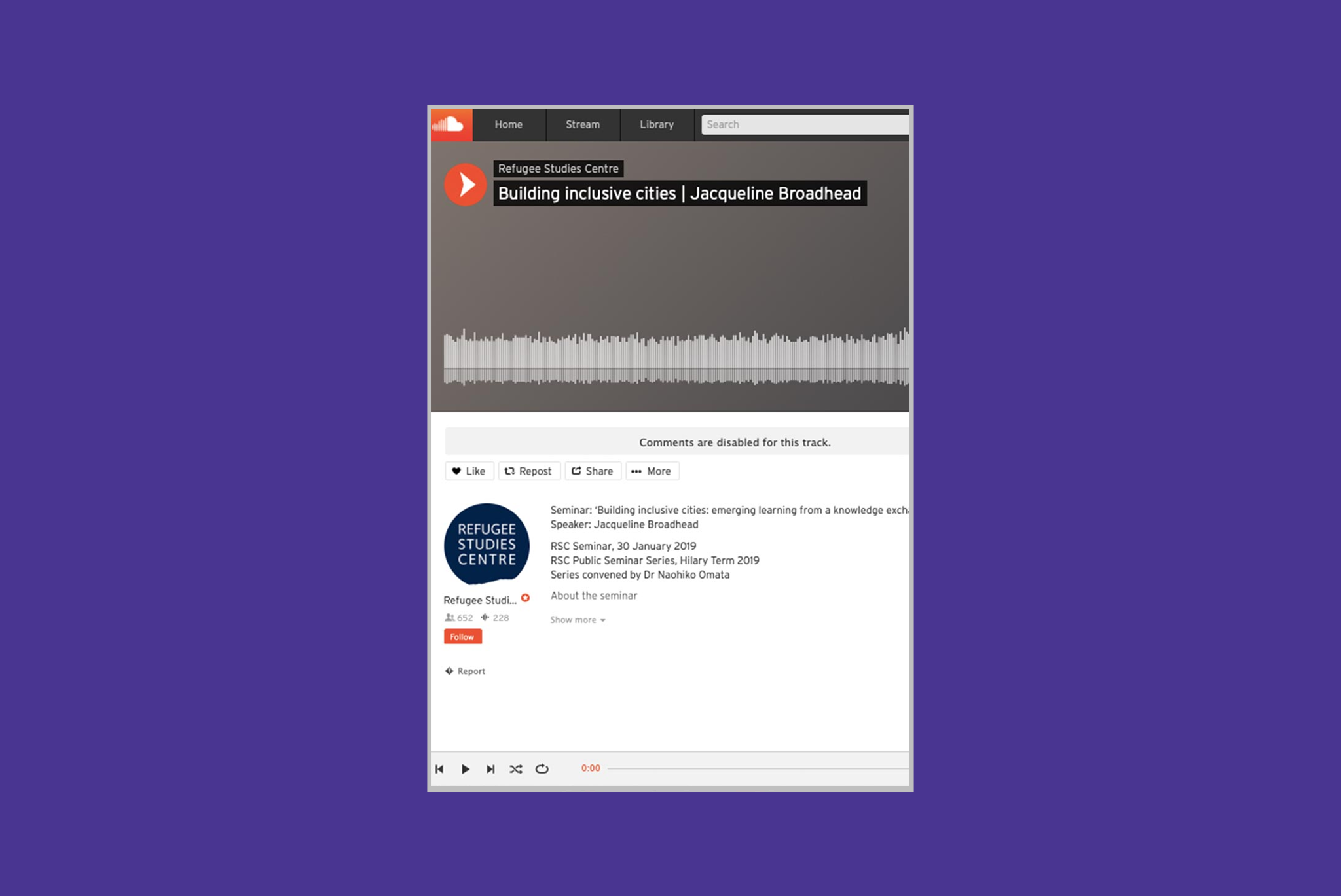
In this podcast, Jacqueline Broadhead, from the Centre on Migration Policy and Society (COMPAS) at the University of Oxford, provides an explanation of the Inclusive Cities initiative facilitated by the Global Exchange on Migration and Diversity, which is working with six UK cities (Bristol, Cardiff, Glasgow, Liverpool, Peterborough and London) to develop strategic and practical approaches to integration.
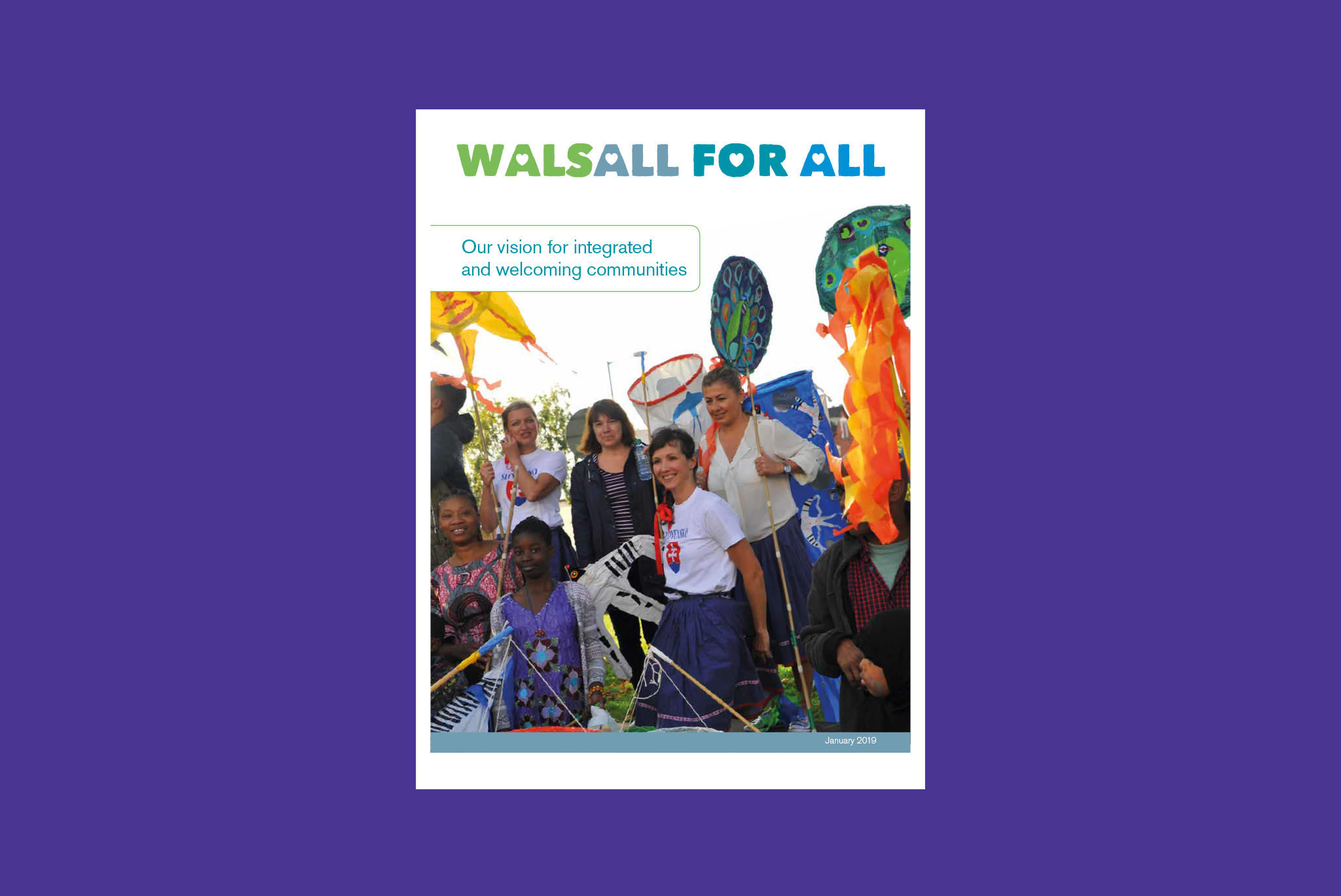
Walsall is one of the Government's five pilot areas for developing and delivering local integration plans, as set out in the 2018 Integration Communities Strategy Green Paper. This document explains how Walsall aims to foster cohesion and integration based on four principles: 1. Connecting across communities; 2. Young people learning and growing together; 3. Working and contributing together; 4. Living together.

This report highlights the high numbers of trafficked and unaccompanied children who go missing from care each year. The report presents an analysis of the data, looks at the relevant policy and legislation, and provides a number of key recommendations around both data collection and helping to keep these children safe.
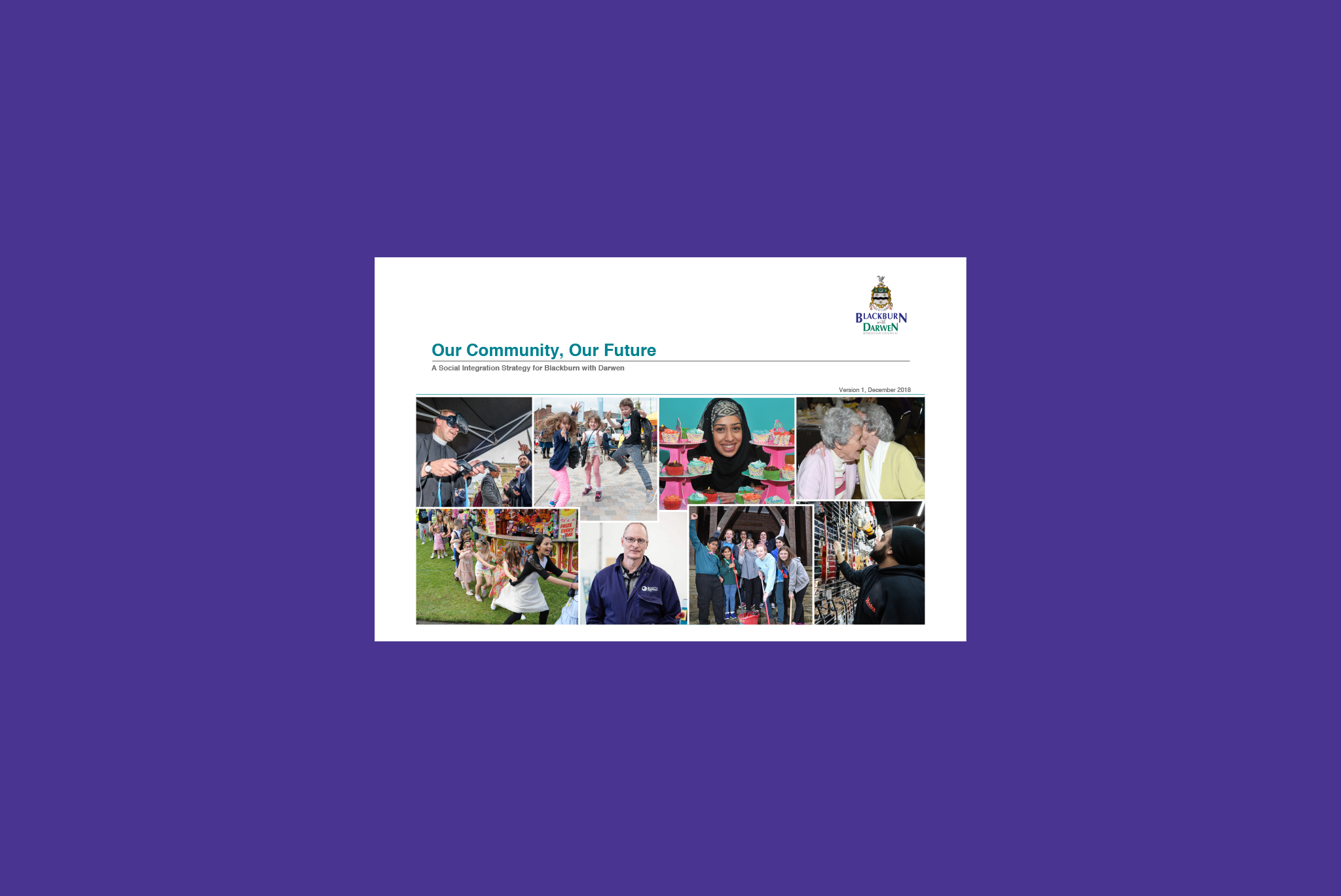
Blackburn with Darwen has been chosen by the government as one of the five areas to pilot local integration plans. This document is Blackburn with Darwen's strategy for promoting cohesion and integration going forward.
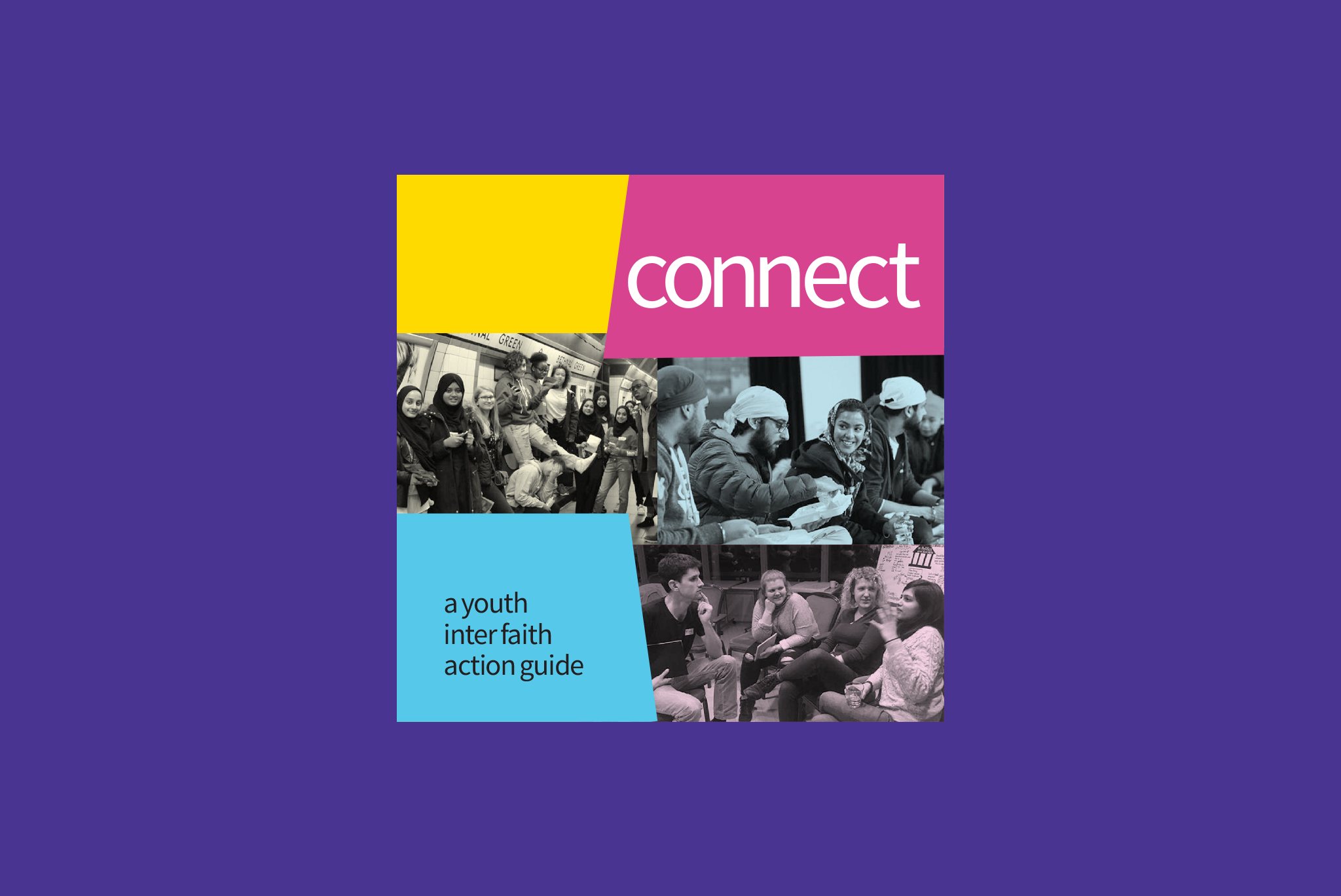
This is a guide produced by the Inter Faith Network, supported by the Ministry of Housing, Communities and Local Government (MHCLG) to support young people to make connections and build bridges towards friendship and understanding by developing and delivering their own inter faith activities.
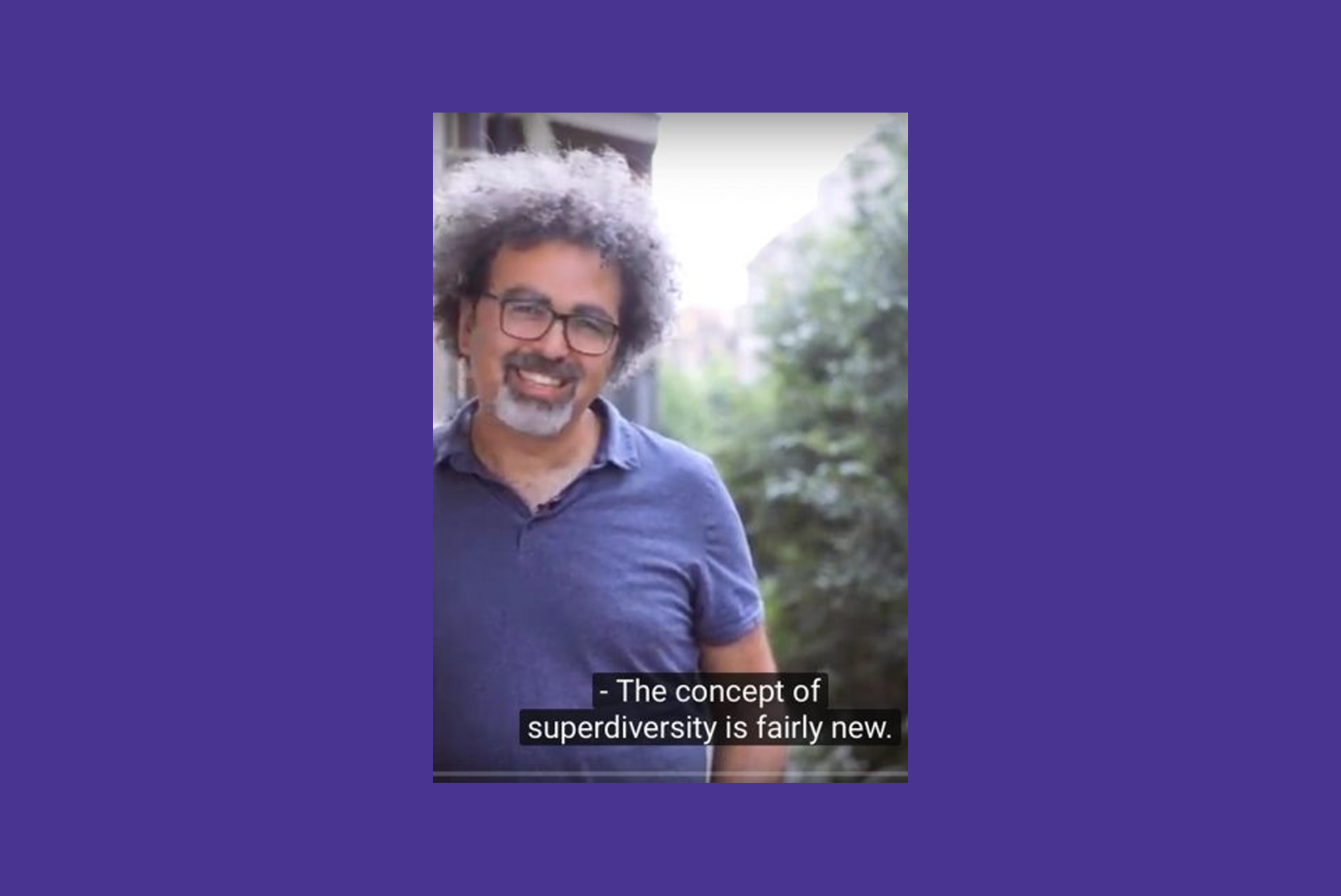
An introduction into the concept of superdiversity. It explains what superdiversity is, and sets out some of the opportunities and challenges it presents.

On Cohesion is a report offering expert insight into issues surrounding extremism and community cohesion in the UK today.
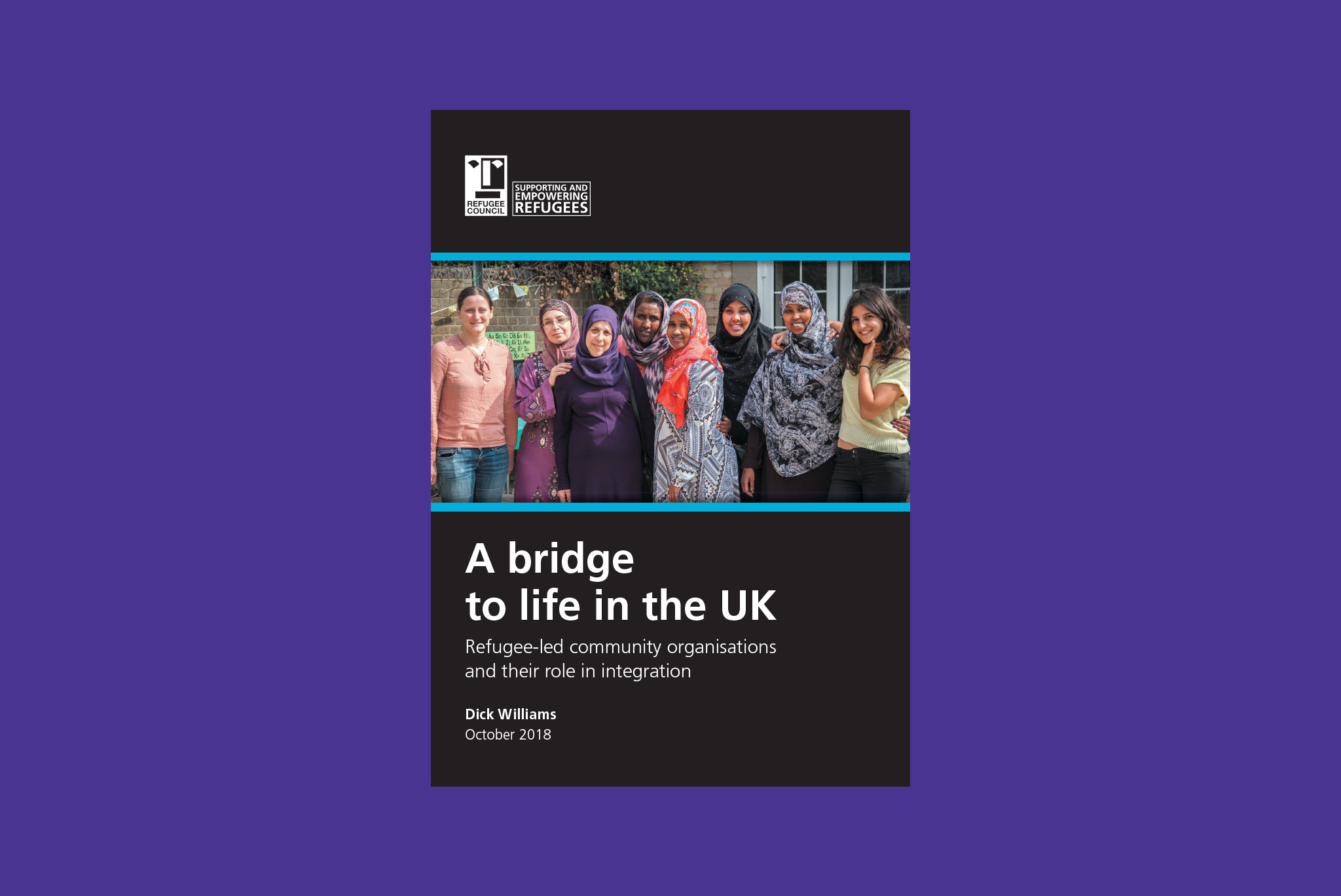
This report explains the role played by refugee-led community organisations (RCOs) in supporting integration, cohesion and equality. It includes recommendations for funders and commissioners, civil society, local and central government, and RCOs.