Research and resources on social cohesion theory and best practice.
The Belong Network Library
Research and resources on social cohesion theory and best practice.

Research and resources on social cohesion theory and best practice.
Research and resources on social cohesion theory and best practice.
The Belong Library is free to access and brings together a wide range of online resources produced by the public, private and civil society sectors to build the evidence base around social cohesion.
It is regularly updated and includes:
Please contact us if you are unable to find what you need – we’d be delighted to help.

Far-right anti-migrant activity has been sharply rising in recent years. This report by Hope Not Hate demonstrates how the far-right’s revived interest in immigration and asylum over recent years has piggybacked on mainstream anti-migrant rhetoric and hostile policy proposals.
‘It’s a no-brainer’ finds there is a clear cost benefit in all of the local authority funded or commissioned immigration advice schemes that were examined in the report. It emphasises that it is far more costly to accommodate people who would be destitute than to pay for good quality legal advice, and leads to better community cohesion, better public health, and better economic outcomes.
The Department for Education (DfE) commissioned this report to provide a resource on strategies that could help schools and teachers to promote social integration and community cohesion, simply defined as the development of positive relations between different social groups.
Time Well Spent data reveals how much volunteering has transformed over recent years. While there is much to be celebrated, it shows that there are still challenges equity, diversity and inclusion which all impact on social cohesion.
This is a short paper which the Belong Network has drawn together from in-depth conversations with the Belong Local Government Network, and a workshop on this subject undertaken with Belong Network local authority members and partner organisations in their wider networks. The paper highlights effective approaches and examples of good practice which members of the Belong Network are currently using – or steps which they are considering taking – to identify and respond to signs of community tension, and to nurture local resilience.
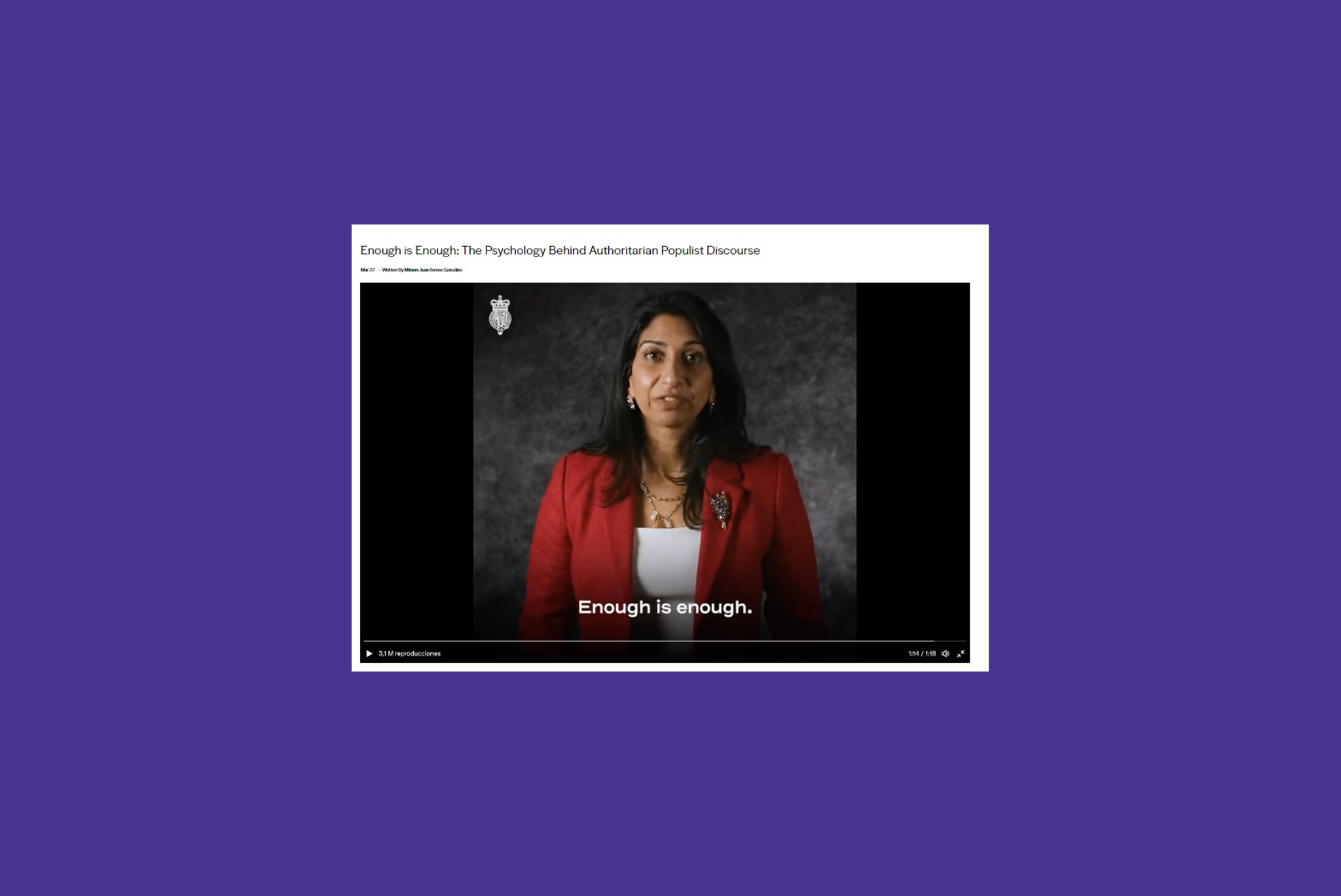
In recent years, political scientists, psychologists, and commentators have grown increasingly interested in the psychological theories that explain political and social attitudes. Moral Foundations Theory is a model that can help us to understand the current moment and build empathy for those who have a different worldview – wherever you stand.

A recent report by GLA and Comic Relief on sport and integration.
Drawing on extensive polling and focus groups, this new report by More in Common outlines Britons’ attitudes on crime, policing, and anti-social behaviour: highlighting their lack of trust in the police, and what needs to be done to rebuild public support.

The release of Cohesion: Coming of Age at 21 Years, marks 21 years since Professor Ted Cantle’s landmark report on community cohesion following the riots in Northern towns. This new report looks back to the start of the work to bring communities together and reduce division to this year’s violence and protests in Leicester, including the work to tackle extremism, the role of social media, the debate around immigration and the divisive political context in which we now find ourselves.

This site contains resources that aim to support the work of practitioners working with migrant communities in the UK. Four practice issues are considered: Communication Barriers Avoiding Cultural Assumptions Working with People from Different Cultural and National Backgrounds Complexities of the Immigration System and Entitlement